Salon Routine Guide: No HEMA Gel Polish Workflow
Step-by-step salon workflow for integrating No HEMA gel polish into professional services, from prep and curing to finish and client aftercare.
When you run a busy salon, product choice affects speed, safety, and client satisfaction. No HEMA gel polish offers a practical option for techs who want to balance performance with reduced allergen exposure. This guide maps where a 15ml No HEMA gel polish bottle fits into a typical service—from prep to final check—and how to keep processes efficient without sacrificing quality.
Why HEMA-free matters in a salon schedule
HEMA-free formulations reduce the risk of allergic reactions and are considered gentler on natural nails—two factors that influence client comfort and repeat bookings. For technicians, lower occupational exposure can streamline station setup and handling precautions. If you want to present safer choices to sensitive clients without changing your whole service menu, adding a HEMA-free option is a straightforward win.
Prepping: base work that sets the stage
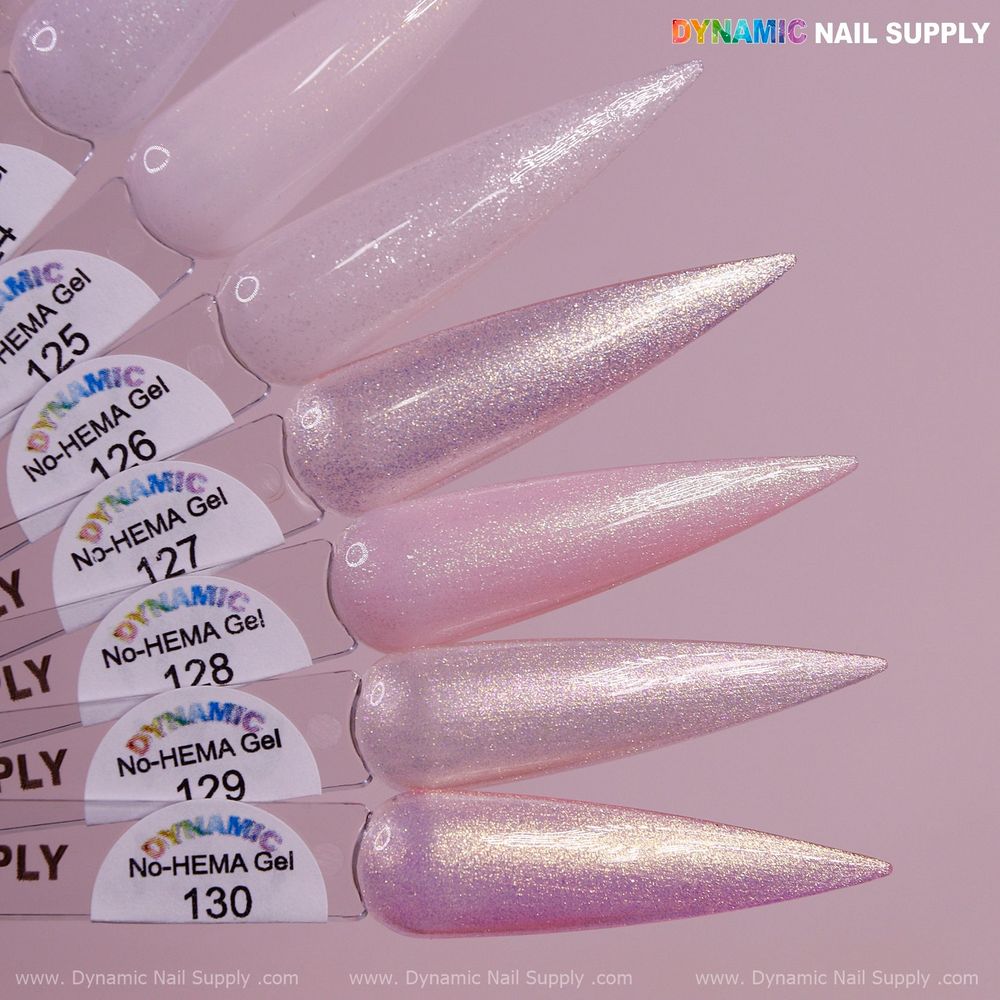
Start with the same professional prep you use for any gel service: sanitize, remove old product, shape, and lightly buff the nail plate. A key workflow tip is to leave the natural nail matt but not overly dehydrated—the No HEMA gel polishes have a thick base that makes it easier to cover the nail base with fewer strokes if the surface is prepared consistently.
Application and curing in a timed routine
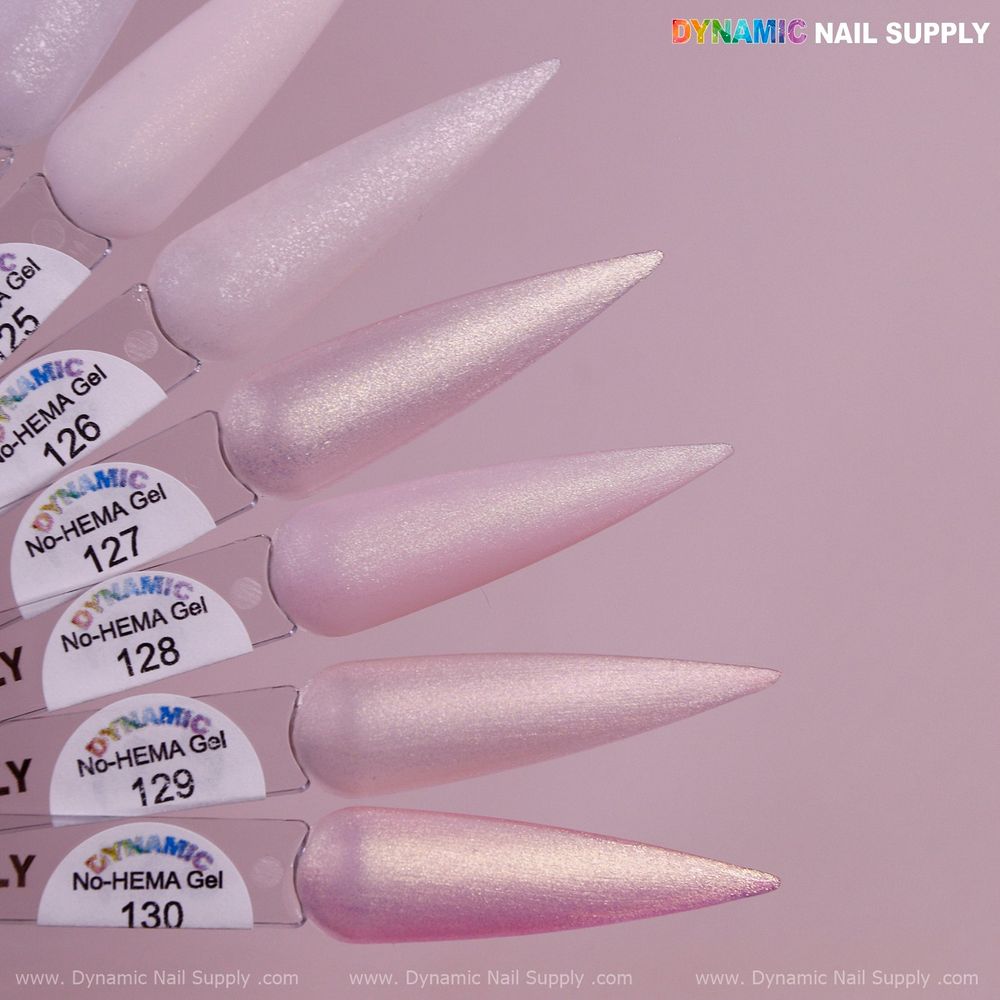
Keep a predictable cadence: thin first coat for adhesion, second coat for opacity. Because these polishes are high pigmentation, you may find one to two coats gives the coverage you need depending on the shade. Cure each coat under your UV/LED lamp; recommended curing time is typically 60s to 120s, so set timers or use lamp presets to maintain consistent cure and chair times.
Finishing touches and quality check
After the final cure, follow your usual wipe or topcoat protocol. The product description notes “no chip or crack” performance—integrate a short wear test into your final check by flexing the free edge and asking the client to wiggle their finger to confirm comfort. This small ritual reduces callbacks and reinforces confidence in the finished service.
Station setup: tips for speed and safety
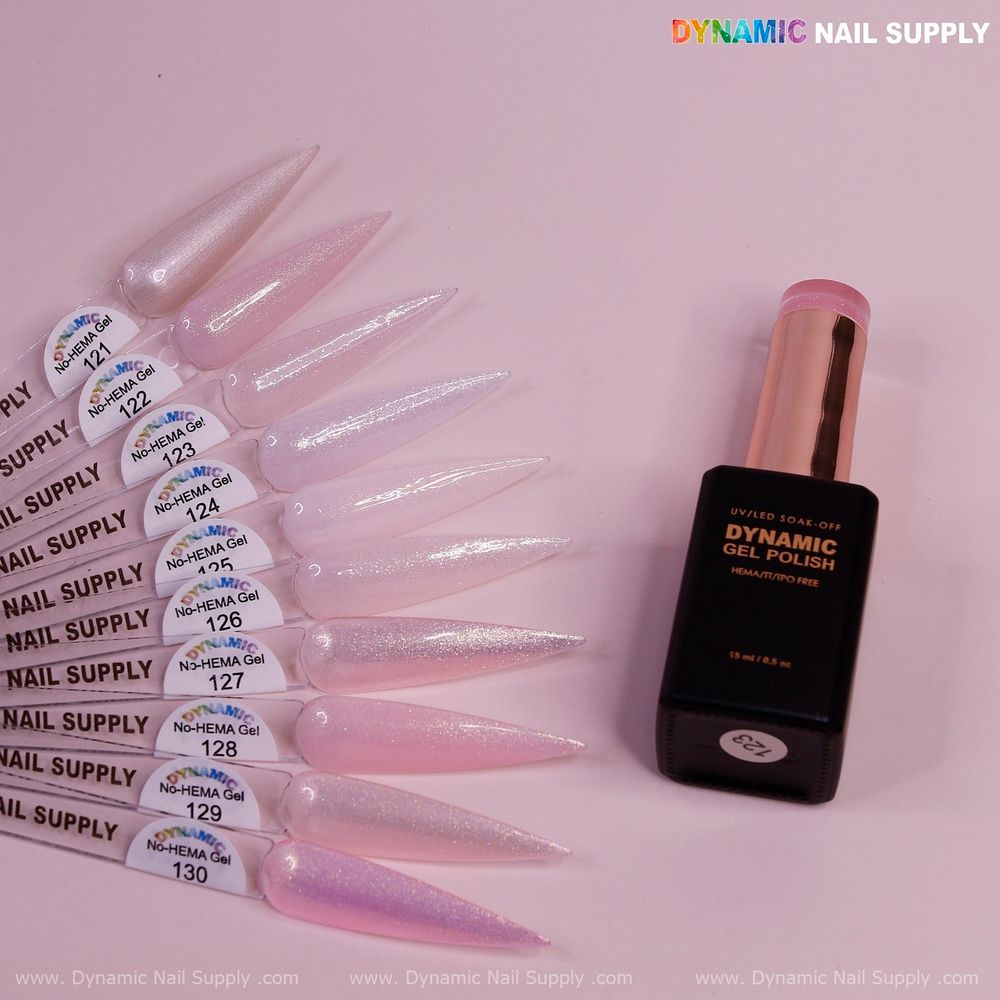
- Keep a labeled 15ml bottle of each popular shade at your station so you can switch colors without walking to storage.
- Use a dispensing tray or palette to manage brush drips—polishes with a thick base can be easier to control, but routine containment prevents mess.
- Because the product is marketed HEMA-free, you can reduce some allergy-specific signage, but always use gloves and ventilation as part of your baseline protocol.
Practical color management and client consultations
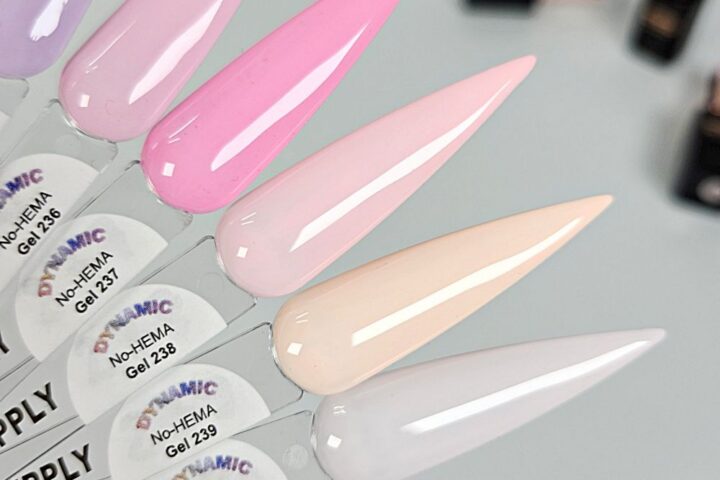
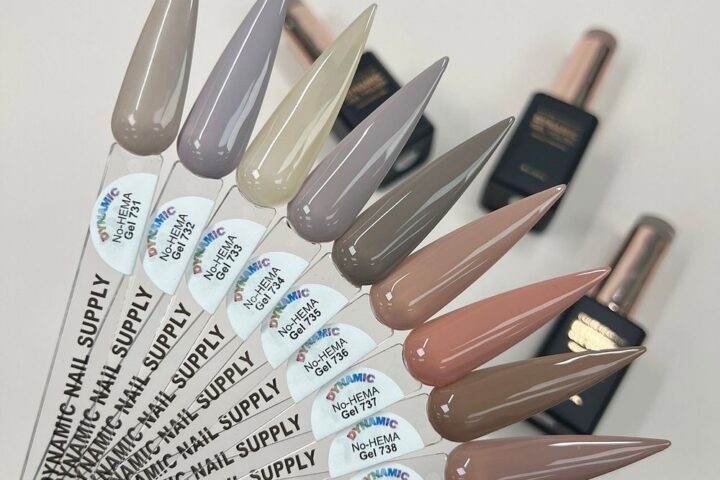
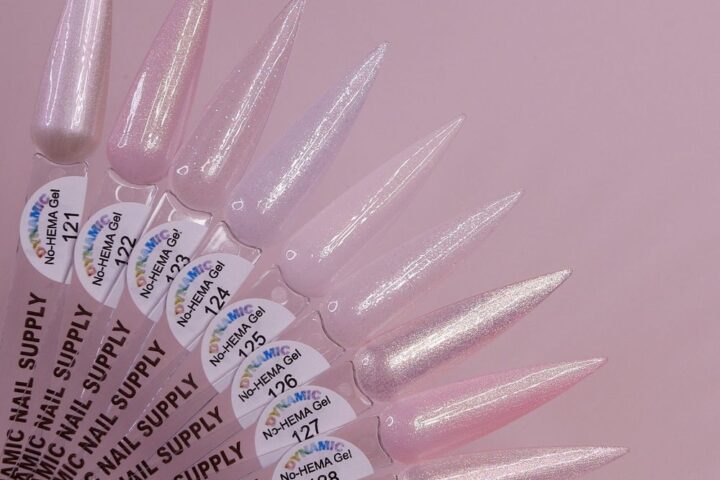
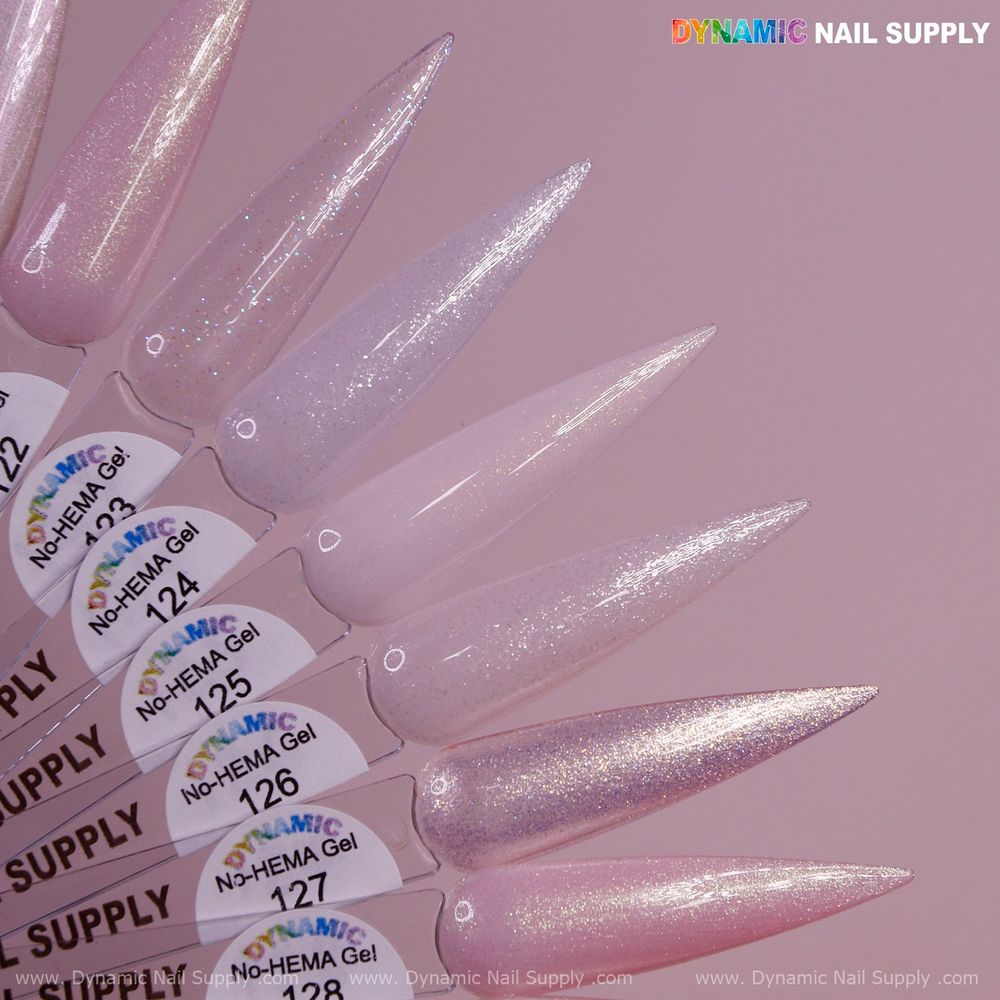
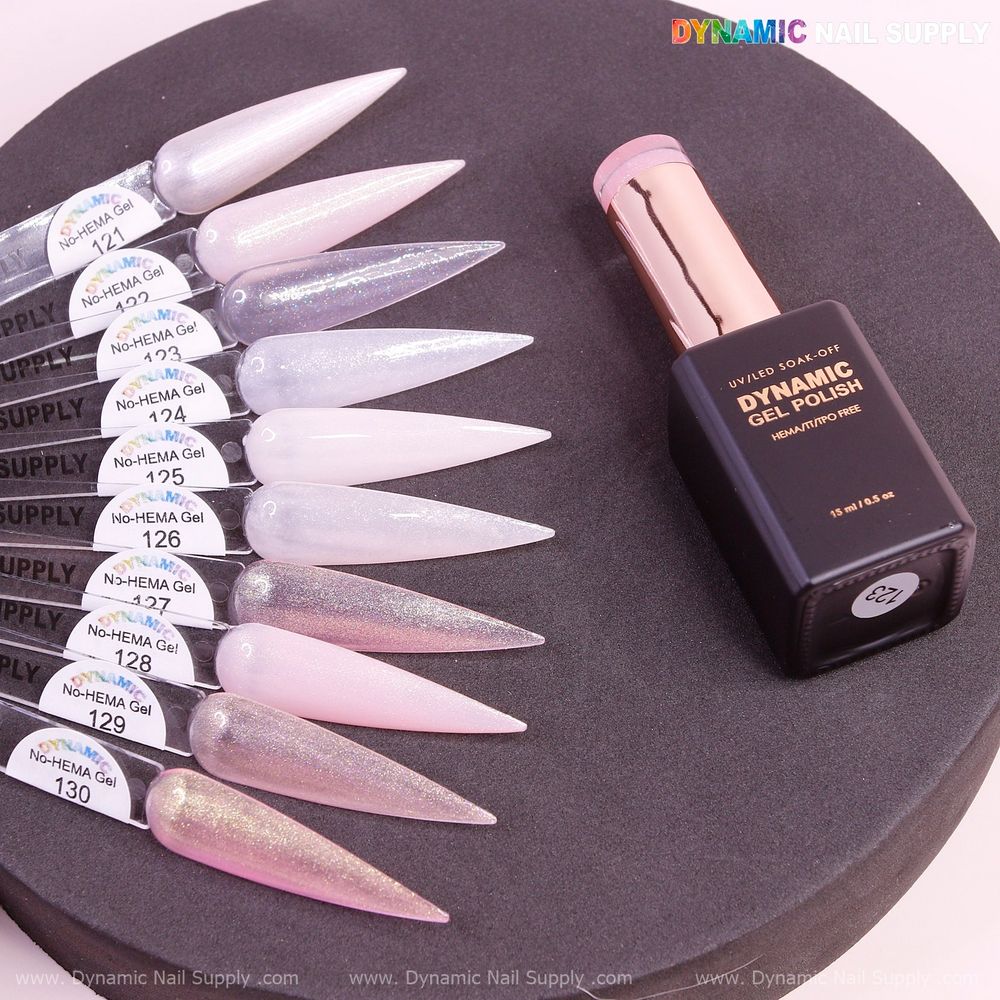
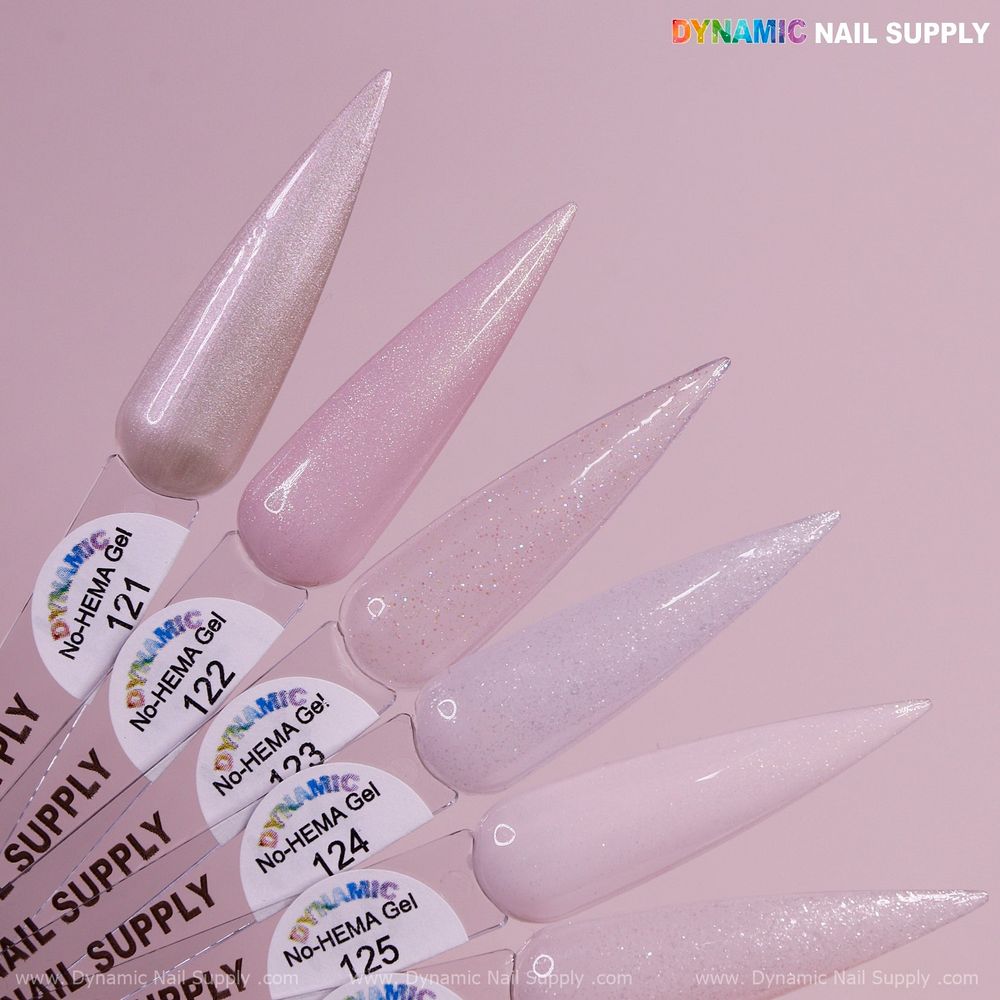
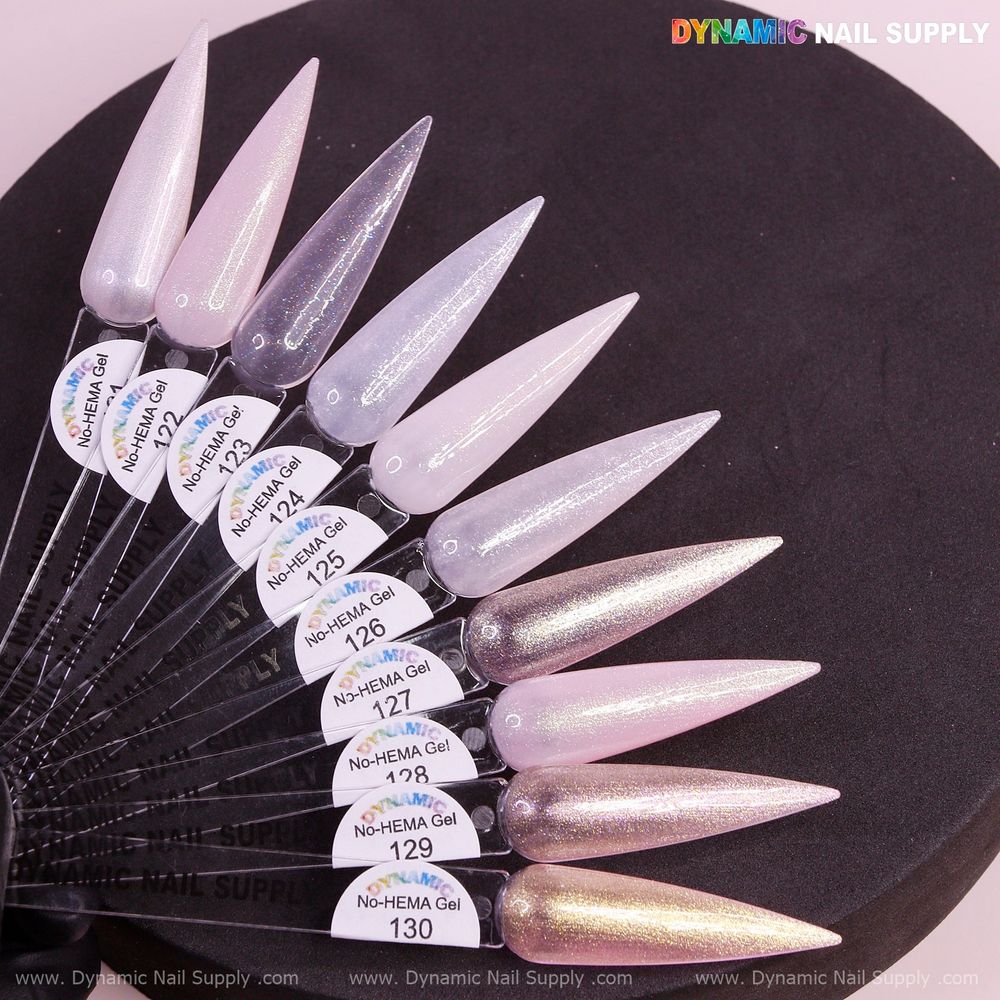
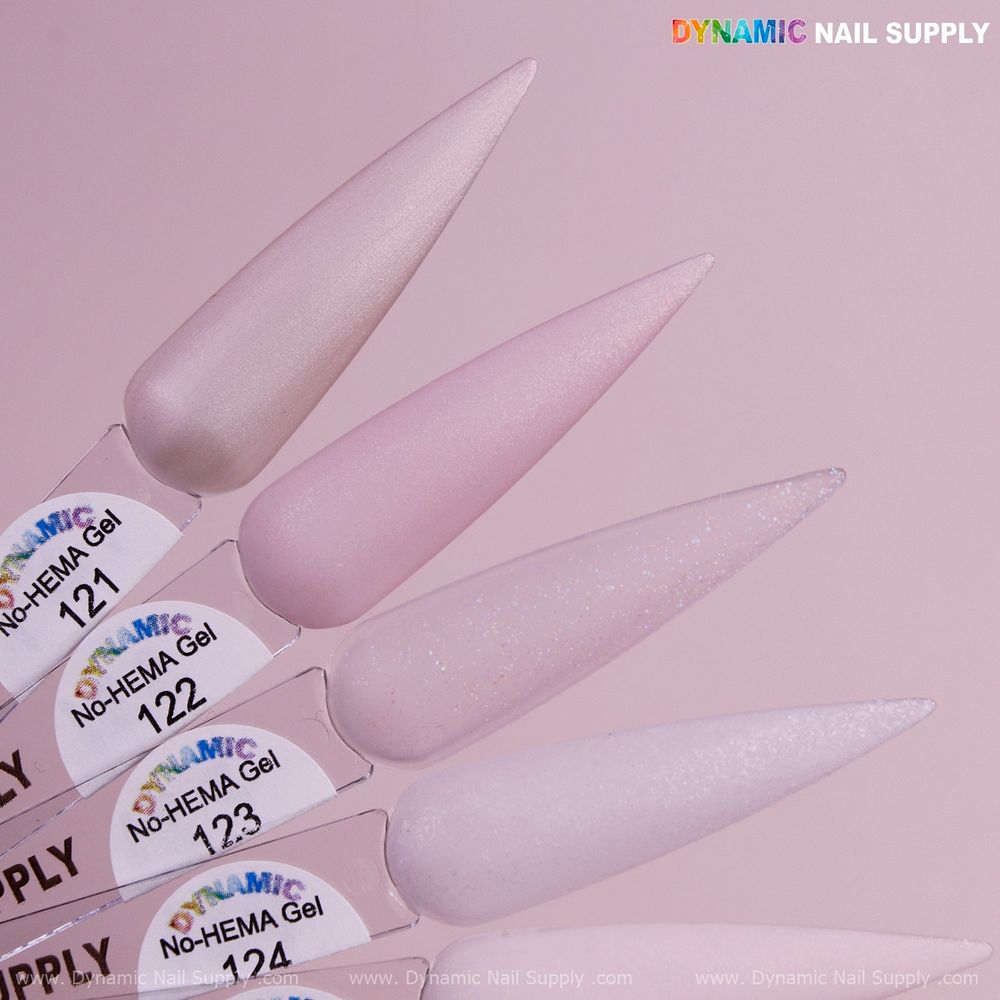
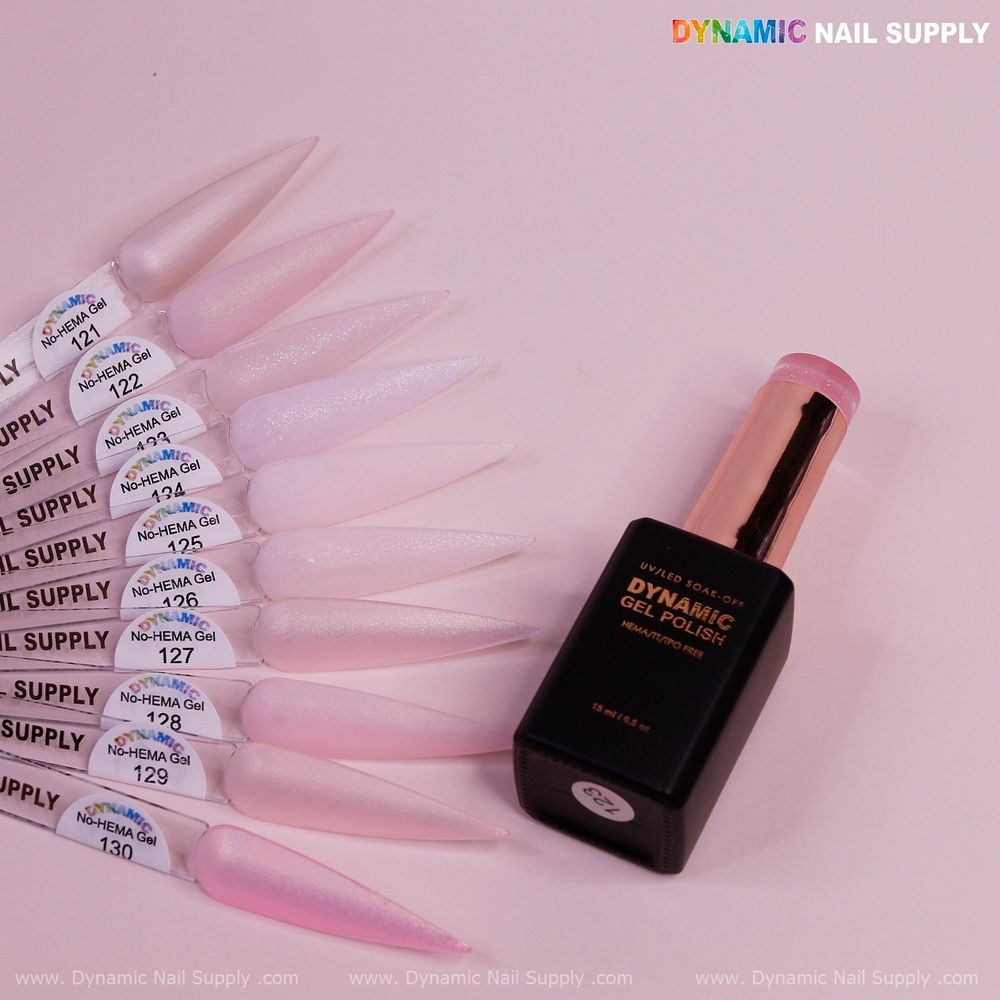
With ten shades in the Color 121–130 range, creating a quick swatch book or digital preview helps clients pick faster and reduces indecision time. If you want to promote these options, mention the collection as a HEMA-free alternative during intake—this sets expectations and can be a selling point for clients who have experienced sensitivity in the past. For an online product reference, see our no hema gel polish shades in your admin resources.
Who benefits most from adding this product
Salons that want to offer safer alternatives for sensitive clients, technicians who prefer lower-exposure products, and businesses seeking a pigmented gel that fits into a standard cure-and-finish workflow will find value here. The polishes are sold in 15ml bottles, making them easy to stock and rotate in a professional setting. Each 15ml bottle is priced at $8.00, though supply pricing can change.
Care, safety notes and station policy
- Always perform a client consultation for allergies and sensitivities; while HEMA-free products reduce certain risks, no product is universally allergy-proof.
- Maintain lamp maintenance and check cure times: undercuring can lead to premature wear and overcuring can cause brittleness.
- Store bottles upright and capped to preserve viscosity; thick-base polishes can build skins if left open.
Integrating into your service menu
Add the HEMA-free option as a labelled upgrade or as part of a signature manicure description so clients clearly see the benefit. Train staff on a standardized application sequence—prep, thin coat, cure 60–120s, second thin coat, cure, finish—to keep appointments predictable and on time. Offering a HEMA-free choice can differentiate your menu and appeal to a growing client segment seeking gentler formulas.
For salons looking to expand their HEMA-free selection, this collection provides a simple, performance-minded option that slots into established workflows with minimal retraining. If you carry retail or upsell, positioning the colors as a professional-grade alternative can increase post-service purchases. Dynamic Nail Supply lists these shades as part of their gel polish offerings and they fit naturally into modern salon routines.
Conclusion
Implementing a No HEMA gel polish into daily salon operations is more about consistent process than reinventing technique. Use reliable prep, predictable cure timing, and clear client communication to capitalize on the product’s high pigmentation and thick-base application. With a few small adjustments to station setup and consultation language, you can add a safer-sounding choice to your menu that keeps chair times efficient and clients satisfied.