Tulip Silicone Nail Mold: Who Should Buy It — Pros & Cons
Compare the tulip silicone nail mold to hand-sculpting and other molds, and decide if its reusable 3D floral charms fit your kit.
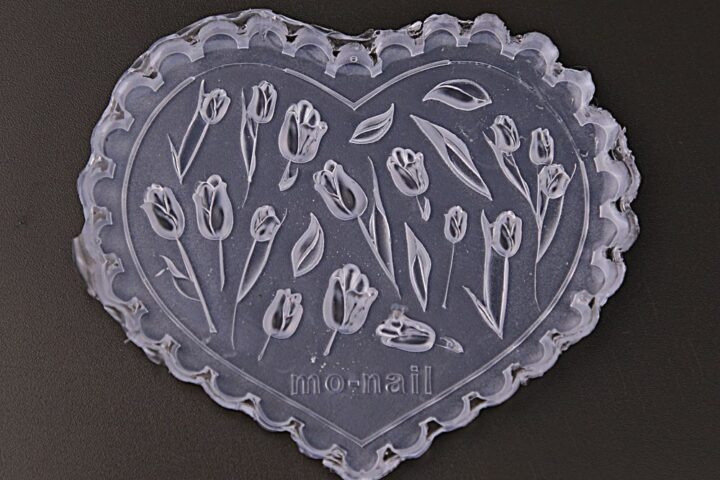
Small floral accents can transform a manicure from pretty to standout — and a dedicated tulip silicone nail mold lets you add those details fast. This comparison-style guide helps you decide whether a tulip-shaped 3D silicone mold belongs in your toolkit or if another approach will serve you better.
If you want a quick floral element without sculpting from scratch, consider the tulip nail charm mold tulip nail charm mold as an option to speed up production while keeping a handmade look.
What this mold does and why it matters
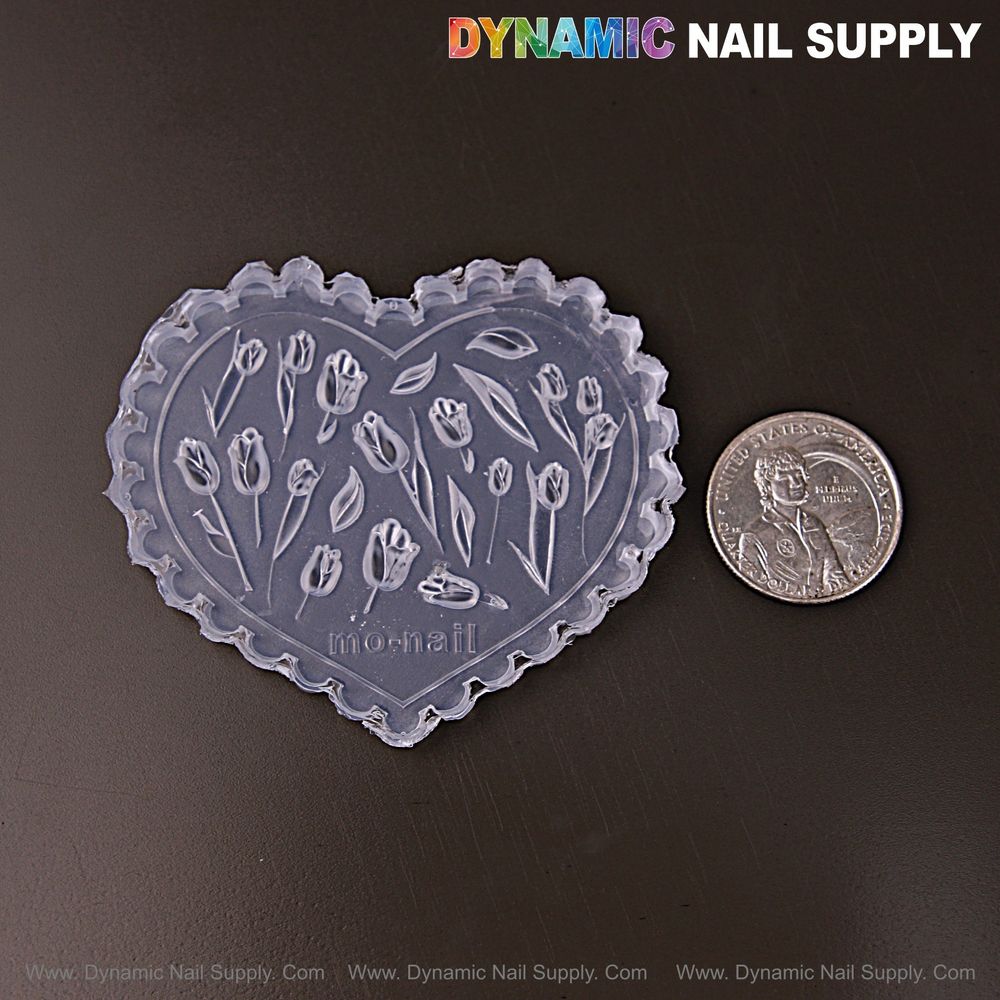
This item is a clear, flexible silicone mold made for forming small 3D tulip-shaped charms and embossed decorations. It’s designed to be reused and works with a range of common nail materials such as sculpting gels, solid gel, gel polish, acrylic, and UV resin. Because the silicone is soft and elastic, it supports fine detail and simple demolding — useful when you want consistent flower shapes across multiple nails or sets.
Key features in real-world context
- Flexible clear silicone: Makes it easier to see placement and to pop detailed pieces out without distortion.
- Ultra-thin profile: Easier to press into and maneuver on a work surface, helping when you fill tiny cavities.
- Multi-material compatibility: Use the same mold with gel, acrylic, or UV resin depending on the look and durability you need.
- Washable and reusable: Good for repeated salon use or craft projects when cleaned between uses.
How it compares: mold vs hand-sculpting vs pre-made charms
Three common ways to add floral 3D accents are: hand-sculpting (freehand with gel), using a silicone mold, or applying pre-made charms. Each has trade-offs.
- Hand-sculpting: Offers ultimate control and bespoke shapes but requires skill and time; not ideal for high-volume service or beginners.
- Silicone mold (this product): Produces consistent results quickly with little sculpting skill; best for repeatable designs and when you want to customize color, embed glitters, or combine materials.
- Pre-made charms: Fastest option — just glue on — but limited in variety and less flexible if you want custom colors, embedded textures, or precise sizing.
Who should choose this tulip silicone nail mold
- Busy nail technicians: If you need matching floral pieces across clients quickly, molds reduce time per set and improve consistency.
- Beginners and hobbyists: When you want professional-looking 3D results without learning advanced sculpting techniques.
- DIY artists who like customization: The ability to use different gels, pigments, glitters, and resins means you can create distinctive colors, effects, and layered looks.
- Crafters beyond nails: Because the mold takes resin and other materials, it’s handy for phone-case décor, jewelry charms, and small craft embellishments.
Who might prefer another approach
While the tulip silicone nail mold is versatile, it isn’t always the best choice:
- Detail-focused sculptors: Nail artists who specialize in sculpted 3D art for bespoke installations may still prefer freehand carving for unique, dimensional work not possible with a fixed cavity.
- Speed-only services: If your priority is the absolute fastest service with minimal finishing, stock pre-made charms glued on may be quicker.
- Large-scale production: Teams producing thousands of identical units might prefer injection-molded components from manufacturers for ultra-high consistency at volume.
Practical tips for best results
- Start with a clean mold: remove dust or residue using a nail cleanser, alcohol, or adhesive tape before each use.
- Fill carefully: use a dotting tool or carving pen to push product into fine petals and tiny cavities for crisp detail.
- Scrape smart: hold a scraper at a 45° angle to remove excess material without flattening raised edges.
- Cure times vary: follow your material’s recommended UV/LED curing time and adjust slightly if cavities are deep or product layers are thick.
- Demold gently: flex the mold from the edges instead of pulling the piece out to prevent distortion or tearing.
- Finish placement: use tweezers to position charms and secure with your preferred adhesive, then finish surrounding edges with a top coat and final cure.
Care, storage and safety notes
Clean the mold after every use to prevent product buildup; warm water and mild soap are usually sufficient. Keep the mold dry before storing it flat and out of direct sunlight to maintain its flexibility. Because the mold accepts UV-curable and resin materials, avoid prolonged skin contact with uncured products and follow all safety guidance from the manufacturers of your gels and resins.
Pricing and where to buy
This tulip silicone nail mold is offered at an accessible price point (listed at $3.99) and is suitable as an economical addition to a stylist’s kit or a DIY stash. It can be sourced through professional nail-supply retailers; one vendor of note is Dynamic Nail Supply.
Conclusion: choose the mold if you want repeatable floral flair
If your goal is consistent, customizable tulip charms with minimal sculpting time, a clear, reusable silicone mold is a practical solution. It bridges the gap between freehand artistry and off-the-shelf embellishments, letting you control color, texture, and materials while saving time. If you prioritize entirely bespoke sculptural work or require mass-produced uniform parts, explore hand-sculpting or manufactured components instead.